
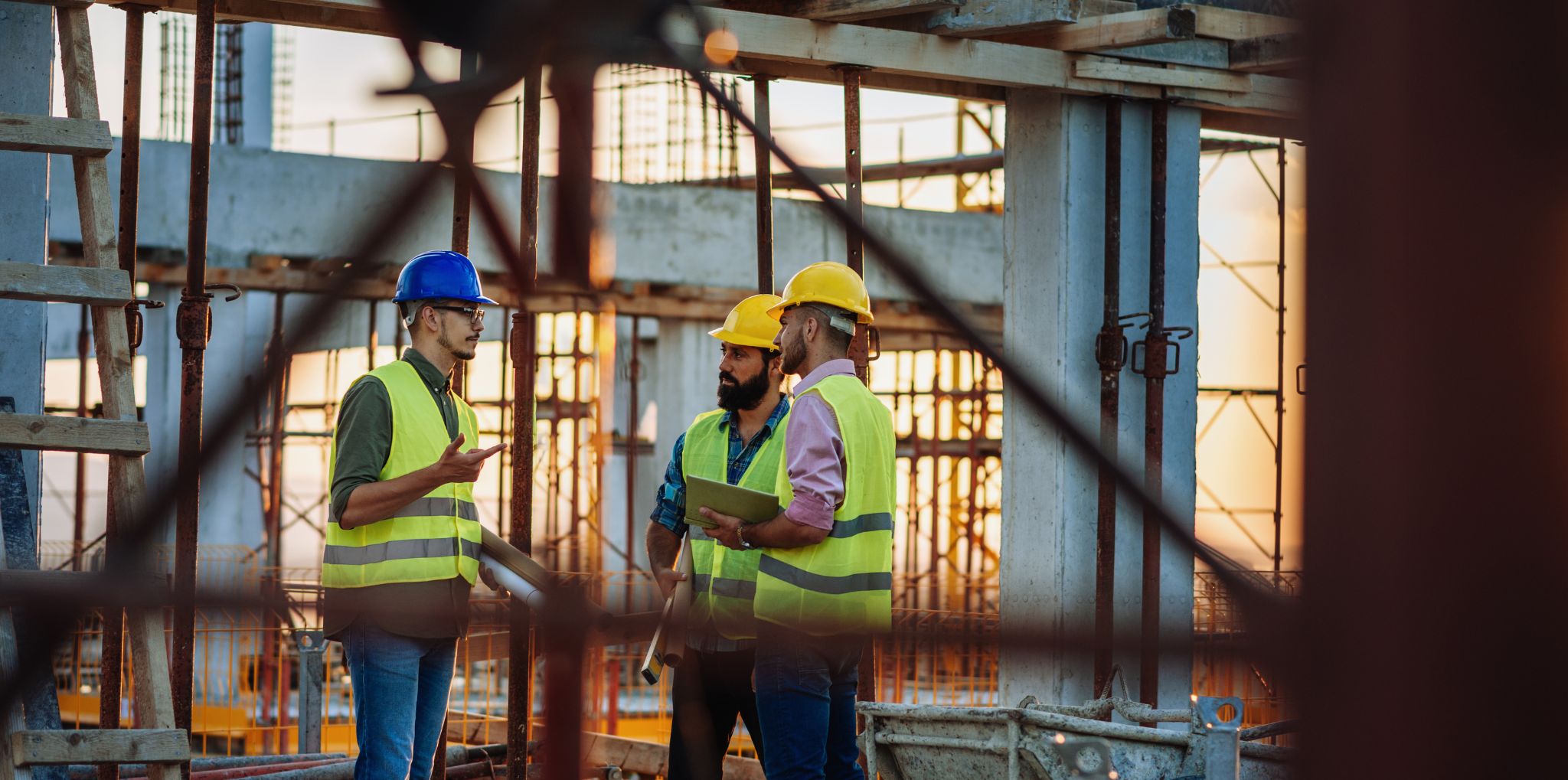
Construction sites are some of the most dangerous workplaces in North Carolina. A single ignored safety rule on a construction site can leave workers facing catastrophic injuries, permanent disabilities, or fatal accidents.
Workers regularly face risks involving falls, heavy machinery, electrical systems, unstable structures, and hazardous materials. Because of these risks, the Occupational Safety and Health Administration (OSHA) plays a critical role. OSHA establishes and enforces workplace safety standards to protect construction workers and reduce preventable accidents.
Knowing how OSHA works and how violations affect injury claims can help protect a construction worker’s rights after an accident. The experienced construction accident attorneys at Lewis & Keller Injury Lawyers help clients evaluate their legal options following serious job-site injuries. If you’ve been injured on the job, contact us today for a free consultation.
What Does OSHA Do on Construction Sites?
OSHA is a federal agency within the U.S. Department of Labor. Its primary purpose is to ensure employers provide safe and healthy working conditions for employees across a wide range of industries, including construction.
Construction sites are heavily regulated because construction remains one of the deadliest industries in the United States. In 2024, 1,032 construction workers died on the job nationwide.
OSHA’s role on construction sites includes:
- Creating and enforcing safety standards
- Conducting workplace inspections
- Investigating serious accidents and fatalities
- Issuing citations and penalties for violations
- Requiring employers to maintain safety records
- Educating employers and workers about workplace hazards
Construction employers are legally required to comply with OSHA regulations and take reasonable steps to reduce known dangers on job sites. OSHA inspections may occur after a worker complaint, a reported fatality, or as part of a routine enforcement effort.
Construction sites can change quickly after a serious accident. Equipment may be moved, hazards corrected, and witness memories can fade within days. OSHA investigations and early evidence collection can play an important role in understanding exactly what happened and whether preventable safety violations contributed to the accident.
Common OSHA-Regulated Hazards on Construction Sites
Construction workers face numerous dangers every day, but OSHA specifically focuses on several high-risk hazards that lead to serious injuries and deaths.
Falls
Falls remain the leading cause of construction fatalities nationwide, with 389 fatal falls in 2024. OSHA requires employers to provide fall protection when workers operate at heights above six feet.
Depending on the situation, this may include:
- Guardrails
- Safety nets
- Personal fall arrest systems
- Proper ladder safety measures
Roofing work, scaffolding, and elevated platforms frequently involve fall hazards.
Scaffolding Hazards
Improperly assembled or overloaded scaffolding can collapse without warning. OSHA regulations establish strict rules regarding:
- Load capacities
- Guardrails
- Platform construction
- Inspection procedures
- Worker access points
These regulations are important because scaffolding accidents can result in catastrophic injuries involving spinal cord trauma, traumatic brain injuries, and fractures.
Trenching and Excavation Risks
Trench collapses are among the deadliest construction accidents because workers can become trapped or buried. OSHA requires employers to use protective systems such as:
- Sloping
- Shoring
- Trench boxes
These protections are all required for trenches deeper than five feet.
Electrical Hazards
Construction workers often operate near exposed wiring, temporary power systems, and energized equipment. OSHA regulations require employers to use grounding systems, proper wiring methods, and ground-fault circuit interrupters to reduce the risk of electrocution.
Personal Protective Equipment (PPE)
OSHA also requires employers to provide appropriate personal protective equipment at no cost to workers. Depending on the job, this may include:
- Hard hats
- Safety glasses
- Gloves
- Respirators
- High-visibility clothing
- Fall protection harnesses
Failing to provide proper PPE can increase the severity of workplace injuries.
Construction Workers Have Important Rights Under OSHA
OSHA regulations do more than impose responsibilities on employers. They also provide workers with important legal protections.
Construction workers have the right to:
- Work in a reasonably safe environment
- Report unsafe conditions to OSHA
- Request OSHA inspections
- Receive safety training in a language they understand
- Access information about workplace hazards
- Report safety concerns without retaliation
Federal law prohibits employers from firing, demoting, intimidating, or punishing workers who report unsafe job site conditions in good faith. Unfortunately, some employers still discourage workers from speaking up about safety violations, especially on fast-moving construction projects.
How OSHA Violations Can Affect Workers’ Compensation Claims
Most injured construction workers in North Carolina pursue benefits through the workers’ compensation system. Workers’ compensation typically covers medical expenses and partial lost wages regardless of who caused the accident.
Because workers’ compensation is a no-fault system, injured workers do not need to prove that the employer violated OSHA regulations to receive benefits. However, OSHA violations can still play an important role in a claim.
OSHA citations, inspection reports, witness statements, and documented safety violations may help provide evidence that unsafe working conditions existed before the accident.
For example, an OSHA citation involving the exact hazard that caused an injury may help show:
- Unsafe working conditions existed.
- Safety rules were ignored.
- The accident could have been prevented.
In some cases, OSHA investigations may also uncover prior safety complaints, failed inspections, or repeated violations involving the same dangerous conditions. This type of evidence can become important when construction companies attempt to deny responsibility or redirect blame after a serious accident.
That said, an OSHA violation does not automatically guarantee compensation or prove liability on its own. Each case still requires careful investigation and supporting evidence.
OSHA Violations and Third-Party Injury Lawsuits
In some construction accidents, someone other than the direct employer may share responsibility for the injury.
Many construction sites involve multiple contractors, subcontractors, vendors, and equipment providers working simultaneously. When another company creates or ignores a dangerous condition, injured workers may have legal options beyond workers’ compensation benefits.
Unlike workers’ compensation claims, third-party injury lawsuits allow injured workers to pursue compensation for pain and suffering, full lost income, and other damages not available through workers’ comp.
OSHA citations and inspection reports can become valuable evidence in these cases. Depending on the investigation, OSHA records may include photographs, witness interviews, inspection findings, safety violations, and documentation involving the exact hazard that caused the injury.
For example, if OSHA cited a subcontractor for unsafe scaffolding or trenching violations, that evidence may help support a negligence claim against that company. However, courts still evaluate all surrounding facts before determining liability.
Get Answers About Your Construction Injury Claim
Our workers’ compensation attorneys thoroughly investigate construction accidents and fight for injured workers across North Carolina. That includes determining whether OSHA violations, unsafe subcontractor practices, or ignored safety hazards contributed to the injury.
Our firm has recovered substantial results for injured clients, including more than $1.3 million in a workplace accident case involving a traumatic brain injury.
Construction accident claims often involve multiple contractors, overlapping insurance policies, OSHA investigations, and disputes over who was responsible for maintaining job-site safety. Our legal team works to identify every available source of compensation while helping injured workers protect their financial future.
If you were hurt on a North Carolina construction site, contact Lewis & Keller Injury Lawyers today for a free case review.
