
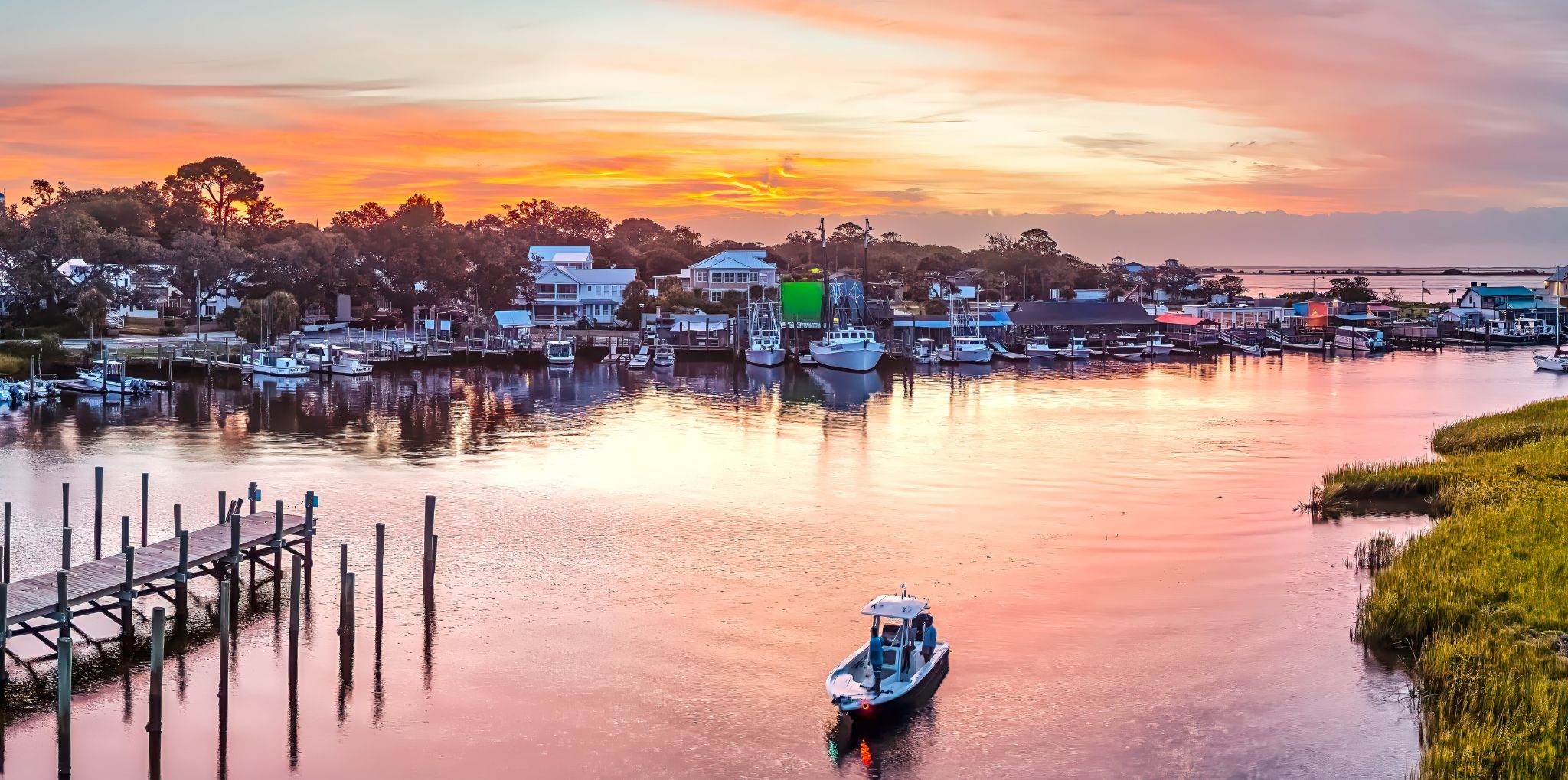
North Carolina’s lakes, rivers, and coastal waters attract boaters year-round. From weekends on Lake Norman to fishing trips along the Outer Banks, recreational boating is a popular way to enjoy the state’s natural resources.
Despite their popularity, North Carolina’s waterways are not without risk. According to the U.S. Coast Guard, operator inattention, excessive speed, operator inexperience, and alcohol use remain among the leading contributing factors in recreational boating accidents nationwide.
When these preventable factors contribute to a collision, determining liability often requires a careful review of applicable laws, safety regulations, and the specific circumstances of the accident. An experienced boating accident lawyer can help investigate the incident, identify potentially liable parties, and protect your right to pursue compensation.
Leading Causes of Boating Accidents
While every accident is different, many boating injuries and accidents can be traced to several common causes, such as:
- Operating a boat while under the influence of alcohol or drugs
- Inexperienced or untrained boat operators
- Excessive speed
- Distracted or inattentive operation
- Failure to maintain a proper lookout
- Equipment malfunctions or poor vessel maintenance
- Lack of required safety equipment
- Noncompliance with navigation rules
- Hazardous weather, rough water conditions, or limited visibility
Safe boating requires more than experience. It also requires compliance with boating laws and safety regulations. When those rules are violated, the likelihood of a serious accident increases.
Common Boating Accident Injuries
The force of a collision, the risk of drowning, and the potential for occupants to be thrown overboard are all factors that make boating accidents particularly dangerous.
Types of injuries caused by boating accidents include:
- Drowning and near-drowning injuries
- Traumatic brain injuries (TBIs)
- Concussions
- Spinal cord injuries
- Broken bones
- Severe cuts and soft-tissue injuries
- Propeller injuries
- Internal injuries
- Hypothermia after falling into the water
Many victims require extensive medical treatment and may face long-term physical and financial consequences.
North Carolina Boating Laws Every Operator Should Know
Many boating accidents involve conduct that is specifically addressed by North Carolina law. For example, after a boating accident, operators have a duty to stop and provide assistance if it is safe to do so.
Understanding these requirements can help explain how liability is determined after a collision.
Boating Under the Influence
North Carolina prohibits operating a vessel while impaired by alcohol or drugs.
The legal blood alcohol content (BAC) limit for people operating boats in North Carolina is 0.08%. Alcohol remains one of the leading factors in serious boating accidents nationwide. Sun exposure, wind, heat, and wave motion can intensify the effects of alcohol, making impairment even more dangerous on the water.
A boating under the influence (BUI) conviction can result in criminal penalties and may also serve as important evidence in a related personal injury claim. While a conviction does not automatically establish liability, it may help demonstrate that the operator failed to exercise reasonable care.
Educational Requirements for Boaters
Anyone born on or after Jan. 1, 1988, who operates a vessel powered by a motor with 10 or more horsepower in North Carolina must have proof of completing an approved boating safety education course. The operator must carry proof of compliance while operating the vessel and present it upon request by law enforcement.
Operator inexperience remains a leading contributing factor in recreational boating accidents, which is one reason North Carolina requires many boaters to complete a boating safety course before operating certain vessels.
Restrictions for Personal Watercraft
North Carolina places additional restrictions on the use of personal watercraft (PWC), such as jet skis.
- No one under 16 may operate a PWC in North Carolina, with a limited exception for 14- and 15-year-olds.
- A 14- or 15-year-old may operate a PWC only if they are either accompanied by someone 18 or older who is aboard and meets North Carolina’s boating education requirements, or they have completed an approved boating safety course and carry proof of age and certification to show on request.
- PWCs, unlike full-sized vessels, may only be operated between sunrise and sunset.
These rules are intended to reduce accidents involving younger, less experienced, and recreational operators.
Speed Limits and No-Wake Zones
North Carolina does not impose one statewide speed limit for all waterways. Instead, boat operators must maintain a safe speed based on conditions such as:
- Weather
- Visibility
- Water traffic
- Water depth
- Nearby swimmers
- Docks and shoreline hazards
Many waterways also contain posted no-wake zones. Operators must obey these restrictions and reduce speed when approaching docks, boat ramps, marinas, and congested areas.
Failure to do so can increase the risk of collisions and injuries.
Required Safety Equipment
North Carolina and federal law require recreational vessels to carry specific safety equipment. Depending on the vessel’s size and type, required equipment may include:
- A U.S. Coast Guard-approved life jacket for each person onboard
- A throwable flotation device on certain vessels
- Fire extinguishers
- A horn, whistle, or bell capable of signaling other vessels
- Proper ventilation systems
- Navigation lights
Children younger than 13 must wear a properly fitted life jacket while aboard a recreational vessel that is underway.
Boating at Night
If you operate a vessel between sunset and sunrise, you must display proper navigation lights. These lights help other boaters identify your vessel’s size, direction, and position, reducing the risk of nighttime collisions. Operating without required lighting can create dangerous conditions and may support a negligence claim if an accident occurs.
Understanding North Carolina’s boating laws is important for more than avoiding citations. When an accident occurs, violations of these safety rules become key evidence in determining who is legally responsible for the resulting injuries.
Reporting a Boating Accident
In North Carolina, boating accidents involving a death, a missing person, injuries requiring medical treatment beyond first aid, or more than $2,000 in property damage must be reported to the North Carolina Wildlife Resources Commission.
Accidents involving a death, disappearance, or serious injury must be reported within 48 hours, while accidents involving reportable property damage require a written report within 10 days.
Reporting a boating accident does not necessarily determine who was at fault. However, accident reports, witness statements, photographs, and other evidence gathered shortly after the incident can play an important role in a future injury claim.
How Boating Law Violations Affect Liability
Evidence that a boat operator violated a safety law may help establish that the operator failed to exercise reasonable care. These violations can become important evidence in a personal injury claim.
However, identifying who is legally responsible for a boating accident is not always straightforward. Depending on where the accident occurred, federal maritime law may also apply. Accidents on navigable coastal waters can involve different legal rules than accidents occurring solely on inland lakes and rivers.
While many boating accident claims focus on the actions of the vessel operator, other parties may also share responsibility depending on the circumstances.
Potentially liable parties may include:
- The boat operator
- The vessel owner
- A rental company
- A tour or charter operator
- A marina
- A manufacturer of defective boating equipment
A qualified boating accident attorney can investigate the incident, secure evidence, identify all potentially liable parties, and pursue the compensation you may be entitled to recover.
Contact a North Carolina Boating Accident Lawyer
Whether your accident was due to a drunk boat operator, excessive speed, a violation of a no-wake zone, inadequate safety equipment, or another preventable safety violation, understanding how North Carolina boating laws apply to your case can be critical.
The personal injury attorneys at Lewis & Keller Injury Lawyers can evaluate the circumstances of the accident, determine whether boating law violations played a role, and work to hold the responsible parties accountable for your injuries.
Find out how North Carolina boating laws can impact your claim by scheduling your free consultation today.
