


What Happens After a First Social Security Disability Denial in North Carolina?
- You have 60 days from receiving the denial notice, plus five days assumed for mailing, to request reconsideration.
- North Carolina Disability Determination Services reviews a medical denial again through someone who did not make the first decision.
- Approval rates at reconsideration are low, about 11 percent in North Carolina in Social Security’s fiscal year 2018 data.
- If reconsideration is denied, you have another 60 days to request a hearing before an administrative law judge.
A denial letter from Social Security feels final, but it is only the first decision. Social Security Disability reconsideration in North Carolina is the next step, and you have 60 days to ask for it.
A new reviewer takes a second look at your claim, including any new evidence you send. Approval rates at this stage are low, so the smartest way to approach reconsideration is to use it to build the record that a judge will see if the claim goes further.
Key Takeaways for SSD Reconsideration in North Carolina
- Reconsideration is the first appeal after a Social Security Disability denial, and you must request it within 60 days of receiving the notice, with five extra days assumed for mailing.
- For a medical denial, North Carolina Disability Determination Services reviews the claim again through someone who did not make the first decision.
- Approval rates at this stage are low: Social Security’s fiscal year 2018 state data put North Carolina at about 11 percent at reconsideration.
- New medical records, a treating provider’s opinion on your functional limits, and a corrected work history are what most often change the result.
- If reconsideration is denied, you have another 60 days to request a hearing before an administrative law judge, and evidence added now becomes part of that file.
What Reconsideration Is and Who Reviews Your Claim
Reconsideration is a full second review of your application. Social Security describes it as a complete review of your claim by someone who did not take part in the first decision, using the evidence from the original file plus anything new you submit.
For a medical denial, that review happens at North Carolina Disability Determination Services, the state agency in Raleigh that makes medical decisions on Social Security claims.
A disability examiner there works with medical and psychological consultants to decide whether your condition meets Social Security’s definition of disability. If your denial was technical instead, such as a problem with work credits or income, a Social Security employee handles the reconsideration.
Most reconsiderations are paper reviews. You don’t meet the examiner or testify. That matters, because the file has to speak for you. Whatever is missing from your records is missing from the decision.
The 60-Day Clock Starts With the Date on Your Letter
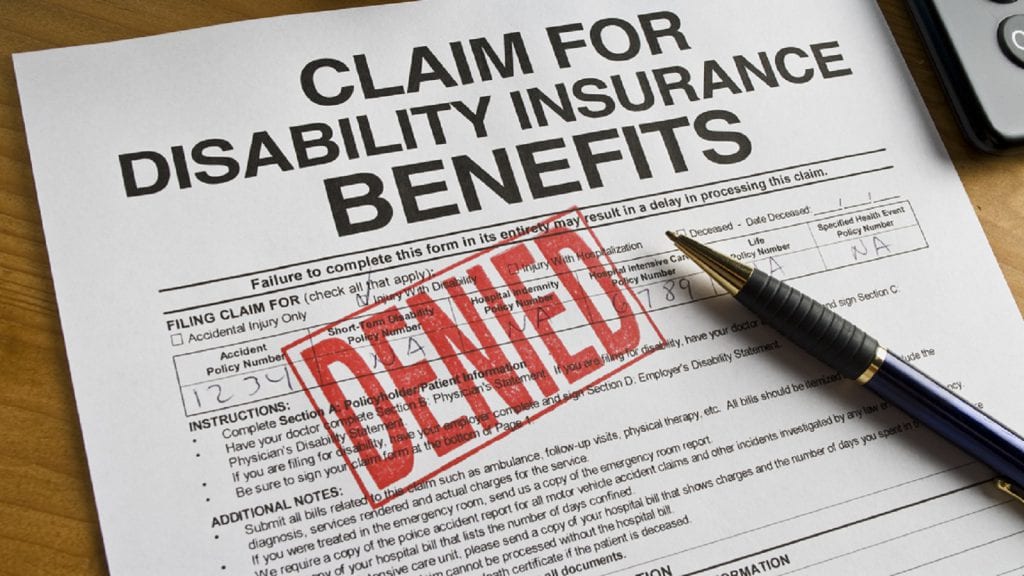
Under the federal regulation governing reconsideration requests, you must ask for reconsideration within 60 days after you receive the denial notice. Social Security assumes you received the letter five days after the date printed on it unless you can show otherwise, so in practice you have about 65 days from the notice date.
Don’t wait for the last week. Gathering new records takes time, and the request itself is only the first part of the job. Missing the deadline usually means the denial stands, and your options narrow to asking Social Security to accept a late appeal or starting over.
Starting over with a new application is usually the wrong move. A fresh application goes back to the initial level and can move your filing date later, which may reduce the back pay you could otherwise receive. An appeal keeps your original claim alive.
How to File a Request for Reconsideration
Social Security lets you request reconsideration online, which Social Security calls the easiest and quickest option. You can also file through a local Social Security office. A request after a medical denial typically includes three forms:
- Form SSA-561, the Request for Reconsideration itself
- Form SSA-3441, the Disability Report for appeals, which updates your conditions, treatment, doctors, and medications since you applied
- Form SSA-827, which authorizes Social Security to request your medical records
Treat the SSA-3441 as more than paperwork. It is your chance to list new diagnoses, new providers, worsening symptoms, and tests you’ve had since the first application. An examiner can only request records from providers they know about.
Realistic Odds and How Long Reconsideration Takes
Most claims denied at the first level are denied again at reconsideration. Social Security’s own published allowance rates by state for fiscal year 2018 put North Carolina at about 11 percent at reconsideration, compared with about 29 percent at the initial level. The national figures that year, about 35 percent and 13 percent, followed the same pattern.
Those numbers can be discouraging, but they explain why so many people give up at exactly the wrong moment. The same examiners, applying the same rules to a file that hasn’t changed much, tend to reach the same result.
A later win generally takes one of two things: a stronger record, or a decision maker who can hear from you directly. Reconsideration is where you build the first.
Timing is the other hard part. Social Security’s published performance data put the national average processing time for disability reconsiderations at 214 days in July 2026, roughly seven months. Your wait may be shorter or longer depending on how quickly providers send records and whether an exam is scheduled.
What Actually Changes the Outcome at This Stage
A second review goes differently only when the file goes differently. The denial letter explains the basic reason for the decision, so start there and answer it with evidence. Evidence that tends to change the result includes:
- New medical evidence. Records from treatment since you applied, new imaging or test results, and notes from specialists you started seeing after the first decision.
- A functional opinion from a treating provider. Specifics about how long you can sit, stand, lift, concentrate, or stay on task carry real weight when the provider’s own findings back them up. Under Social Security’s rules for evaluating medical opinions, no source gets automatic deference, and the most important factors are how well the opinion is supported and how consistent it is with the rest of the record.
- Corrected work history. Examiners decide whether you can return to past work or do other jobs, so an inaccurate job description can sink a claim. If your old job required heavy lifting or long hours on your feet and the file says otherwise, fix it.
- Consistent treatment. Gaps in care give an examiner a reason to conclude that a condition isn’t as limiting as you say.
What rarely helps is resubmitting the same file with a note saying you disagree. A request with no new information gives the examiner nothing to decide differently.
At Lewis & Keller Injury Lawyers, our reconsideration work for clients in Greensboro and Winston-Salem centers on this kind of record building: tracking down missing treatment notes, asking treating doctors for useful functional opinions, and making sure the file describes your job accurately.
If Reconsideration Is Denied, a Hearing Comes Next
A second denial is not the end of your claim. It is the normal path to the stage where many disability claims are decided. You have 60 days from receiving the reconsideration notice to request a hearing before an administrative law judge, with the same five-day mailing assumption.
A hearing is the first time a decision maker hears from you directly. The judge can ask about your daily limits and hear from witnesses, and a vocational expert often testifies about what jobs someone with your restrictions could do.
Evidence you add at reconsideration becomes part of the file the judge reviews, which is why the work you do now still counts even if this stage ends in denial. Here is how the two stages compare:
| Reconsideration | Hearing | |
|---|---|---|
| Who decides | A North Carolina DDS reviewer who did not make the first decision (medical denials) | An administrative law judge |
| Format | Paper review of your file | You testify, may bring witnesses, and a vocational expert often testifies |
| Deadline to request | 60 days after receiving the initial denial, plus five mailing days | 60 days after receiving the reconsideration denial, plus five mailing days |
| What helps most | New medical records, functional opinions, and a corrected work history | A complete record plus your own testimony about daily limits |
Frequently Asked Questions
Is reconsideration the same for SSDI and SSI in North Carolina?
Yes. Reconsideration is the first appeal step for both Social Security Disability Insurance (SSDI) and Supplemental Security Income (SSI), and SSI has the same 60-day deadline.
SSDI depends on work credits, while SSI is need-based, so a technical denial may turn on different issues, but North Carolina Disability Determination Services applies the same adult definition of disability to both.
What if I missed the 60-day deadline to appeal a disability denial?
North Carolina claimants can ask Social Security to accept a late request for reconsideration by explaining in writing why they missed the 60-day deadline. Social Security grants extensions for good cause, such as a serious illness that prevented contact with the agency, never receiving the notice, or incorrect information from Social Security.
Approval isn’t automatic, so the request and explanation should go in as soon as possible.
Will I have to see a doctor for Social Security during reconsideration?
Possibly. North Carolina Disability Determination Services can schedule a consultative examination at no cost to you when your own medical records don’t give enough information to decide the claim. Go to the appointment or reschedule it if you have a good reason, because missing an exam without good reason can lead to a denial.
Can I work while my SSDI reconsideration is pending?
You can, but earnings matter. In 2026, Social Security generally treats work paying more than $1,690 a month for non-blind individuals as substantial gainful activity, a federal threshold that applies to North Carolina claims the same as anywhere else.
Earnings above it usually lead to a finding that you are not disabled. Even part-time work below that amount can raise questions about what you are able to do, so report all work accurately.
How do I check the status of my disability reconsideration?
People in North Carolina can check their appeal status by signing in to a my Social Security account or by calling Social Security’s national line and asking for application status. The online account shows where the claim is in the process and when Social Security expects to decide it.
What happens if my disability reconsideration is approved?
If North Carolina Disability Determination Services approves your claim at reconsideration, Social Security sends an award notice explaining your monthly benefit and any back pay. For SSDI, there is generally a five-month waiting period after the date Social Security finds your disability began, with an exception for ALS.
Get Help With Your Reconsideration

If you have a denial letter on your kitchen table, the 60-day clock is already running. Lewis & Keller helps people across Greensboro, Winston-Salem, and the Piedmont Triad strengthen their claims at reconsideration and prepare for a hearing if one is needed. Contact us for a free case review. You pay nothing unless we win.
