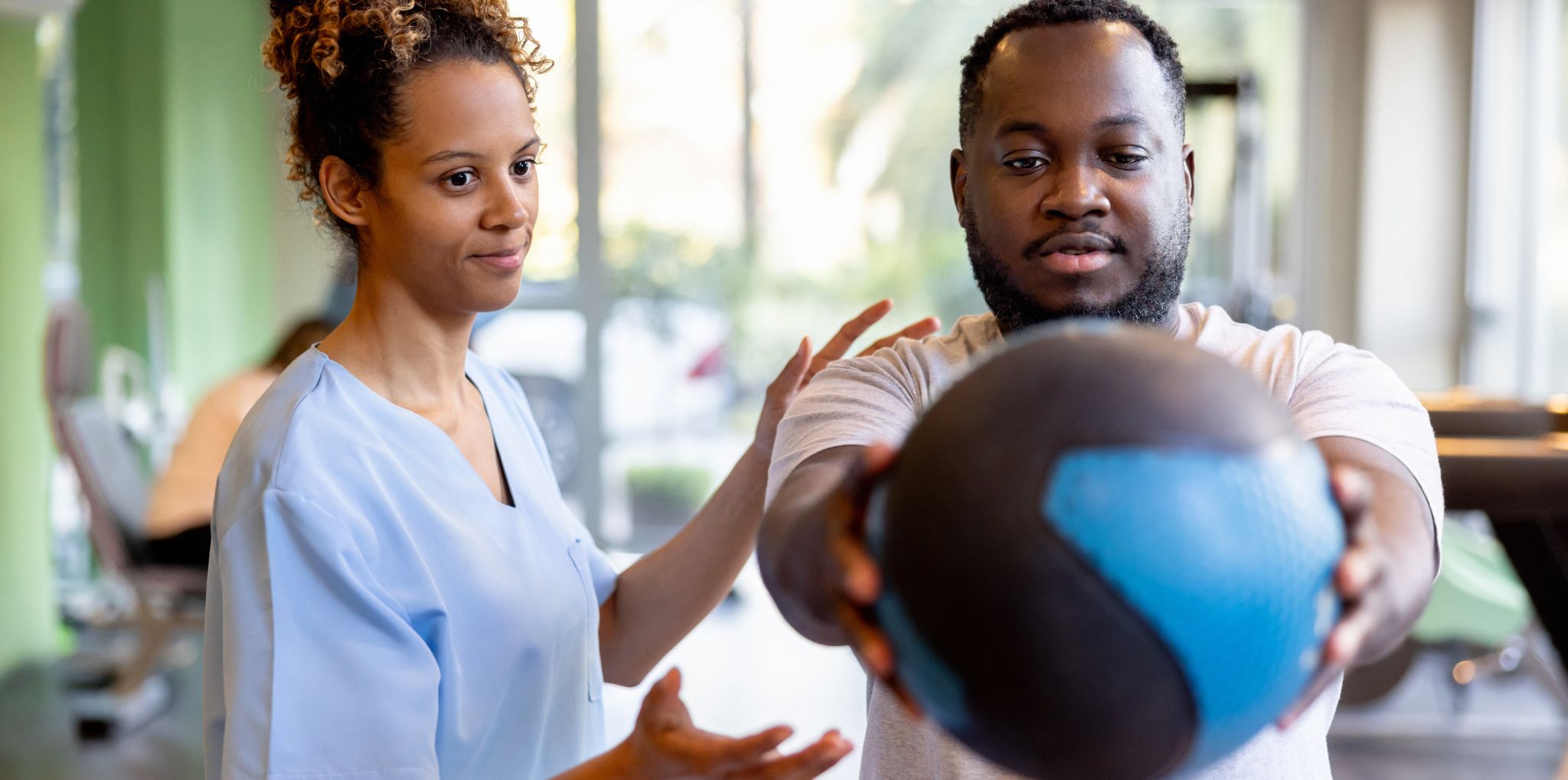
When a serious accident disrupts your health and routine, recovery becomes a journey; one that can be unpredictable, exhausting, and deeply personal. Whether someone suffers broken bones, soft-tissue injuries, spinal damage, or a traumatic brain injury, the body needs time and guided support to heal.
Physical therapy and rehabilitation play a vital role in helping injury victims regain strength, mobility, and independence so they can return to work and daily activities. With the right therapies and a customized treatment plan, many victims make meaningful progress even after life-changing injuries.
Contacting a Winston-Salem personal injury lawyer can help ensure you have the financial resources and legal support needed to complete your recovery plan.
Physical Therapy: Restoring Strength and Movement
Physical therapy (PT) is one of the most common and effective forms of rehabilitation for accident victims. PT focuses on repairing damaged muscles, improving joint mobility, and rebuilding overall physical function.
A physical therapist may use techniques such as:
- Stretching and joint mobilization to improve flexibility
- Strength-training exercises to rebuild muscle support
- Balance and gait training for patients with walking difficulties
- Manual therapy, including massage and soft-tissue manipulation
- Ultrasound, electrical stimulation, or heat/cold therapy to reduce pain and swelling
Research shows that structured physical therapy can reduce pain and disability, often by 70% or more within the first several weeks of treatment.
For victims recovering from broken bones, torn ligaments, back injuries, and whiplash, PT is often essential for restoring mobility and preventing long-term stiffness or weakness.
Occupational Therapy: Relearning Daily Tasks
While physical therapy focuses on movement and strength, occupational therapy (OT) helps victims get back to the everyday skills and routines they may have lost after an accident. This includes tasks such as getting dressed, preparing meals, driving, and returning to work.
An occupational therapist may help patients:
- Improve fine motor skills
- Strengthen hand-eye coordination
- Learn adaptive strategies for limited movement
- Use assistive devices like braces, ergonomic tools, or mobility aids
- Modify a work or home environment for safety and accessibility
OT is important for individuals recovering from spinal cord injuries, serious fractures, hand or wrist injuries, and neurological trauma. By focusing on independence and practical living skills, OT supports long-term quality of life.
Speech Therapy: Supporting Brain and Neurological Recovery
Accidents involving traumatic brain injuries (TBI), strokes, or severe concussions can affect a victim’s ability to speak, understand language, or swallow properly. Speech-language therapy helps address these challenges through cognitive and communication exercises.
Speech therapy may include:
- Rebuilding vocabulary and communication skills
- Improving memory, focus, and problem-solving abilities
- Swallowing therapy for patients with difficulty eating or drinking
- Strengthening oral muscles for clearer speech
This form of rehabilitation is critical for victims with head trauma, neurological injuries, or oxygen-deprivation injuries.
Specialized Rehabilitation Programs
Beyond traditional PT, OT, and speech therapy, many patients benefit from specialized rehabilitation designed for more complex injuries or long-term recovery, such as:
Aquatic Therapy
Therapy performed in warm water reduces pressure on joints, allowing patients to move with less pain. It’s ideal for victims with severe mobility limitations, chronic pain, or spinal injuries.
Neuromuscular Re-Education
This treatment retrains the nervous system to communicate correctly with muscles. It is often used for patients recovering from nerve damage, brain injuries, or orthopedic surgeries.
Pain Management Rehabilitation
Chronic pain can greatly slow recovery. Pain-focused programs may include:
- Guided stretching
- Therapeutic massage
- Electrical stimulation
- Biofeedback therapy
- Mind-body techniques for long-term coping
Managing pain helps victims stay active in their rehabilitation and prevents long-term disability.
Why Personalized Rehabilitation Matters
No two injuries are alike, and rehabilitation plans must reflect the unique characteristics, severity, and long-term implications of each injury.
For example:
- Broken bones may require limited weight-bearing exercises followed by progressive strengthening.
- Spinal cord injuries often involve mobility training, adaptive equipment, and nerve-retraining therapies.
- Traumatic brain injuries typically require a combination of cognitive therapy, speech therapy, and structured re-learning.
Following medical recommendations is not only essential for physical healing, but it also strengthens a personal injury claim. Consistent participation in therapy helps document your progress, your limitations, and the long-term costs of your recovery, which can increase your future settlement value.
How Lewis & Keller Can Help Injury Victims Recover
Rehabilitation can be expensive, especially when long-term physical therapy, occupational therapy, or neurological treatment is required. Experienced attorneys can help injury victims recover compensation for:
- Current and future medical treatment
- Long-term rehabilitation and therapy
- Mobility devices and adaptive equipment
- Lost wages and diminished earning capacity
- Pain and suffering
At Lewis & Keller Injury Lawyers, we fight to ensure clients receive the full support they need, not just to recover physically, but to rebuild their lives.
If you or a loved one is undergoing rehabilitation after a serious injury, contact us today for a free consultation. We can help you pursue justice, financial support, and the strongest possible recovery.