

Why Do Motorcycle Crashes Happen on I-40 and Business 40 in Winston-Salem?
- Drivers change lanes or merge without seeing the motorcycle.
- Interchanges have changed, including the rebuilt Salem Parkway and the new I-40 / I-74 interchange.
- Work zones shift lanes, narrow shoulders, and leave uneven pavement.
- Drivers turn left across a rider’s path at ramp ends and nearby intersections.
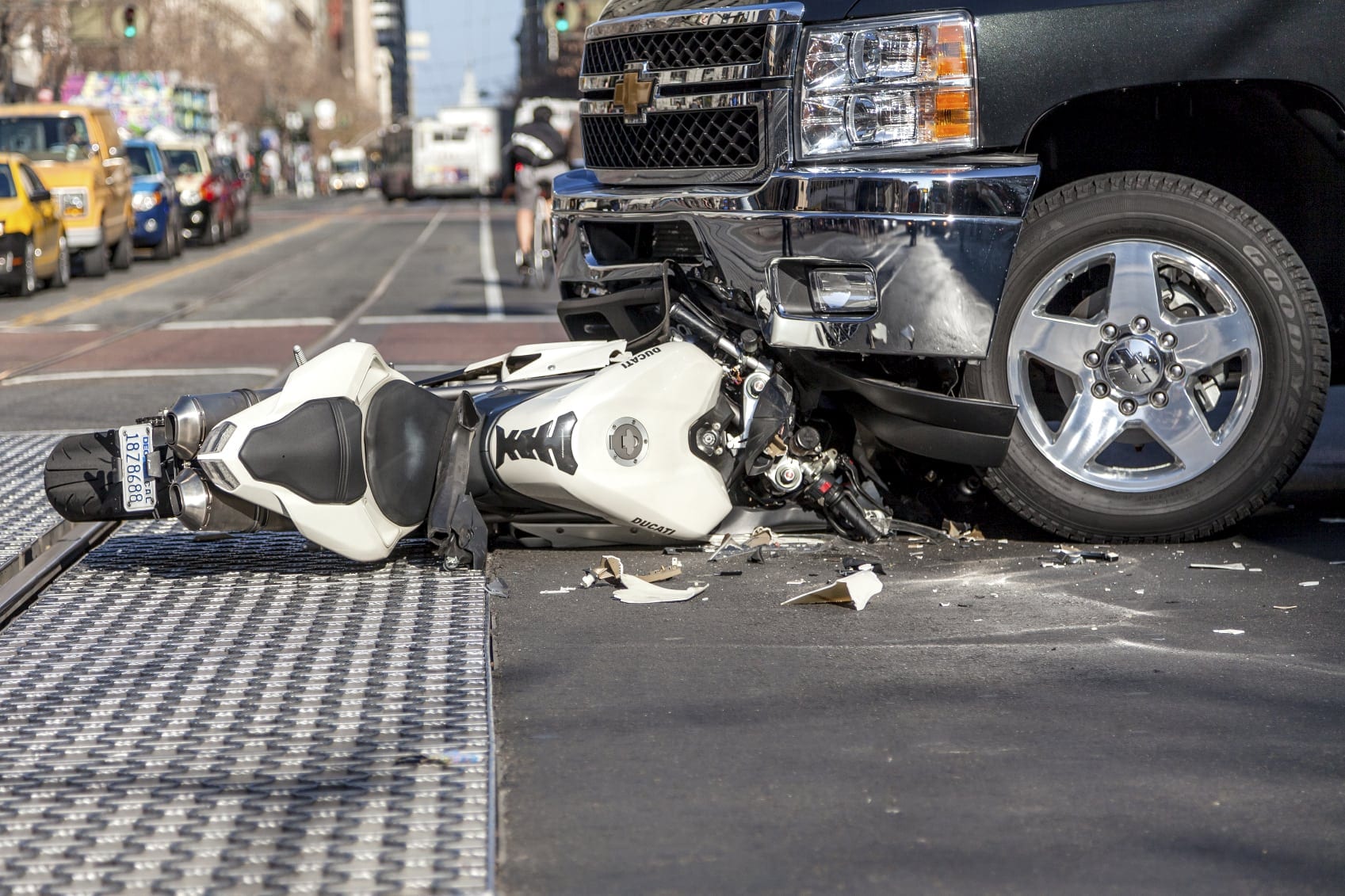
A Winston-Salem motorcycle accident on I-40 or Business 40 often starts with a driver who did not see the rider during a merge, a lane change, or a turn. The road itself adds to the risk, because this corridor has changed more in the past six years than in decades before.
Business 40 through downtown is now Salem Parkway, and a major new interchange with I-74 opened east of the city in September 2026. Drivers still learning those changes make sudden moves, and riders pay for them.
If you were hurt on this stretch of highway, a Winston-Salem motorcycle accident lawyer on our team can look at how the crash happened and who may be responsible.
Key Takeaways for a Winston-Salem Motorcycle Accident on I-40
- Business 40 through downtown Winston-Salem reopened in February 2020 as Salem Parkway (US 421) after a rebuild that lengthened ramps and reduced six interchanges to three.
- The I-40 / I-74 Eastern Beltway interchange in eastern Forsyth County opened on September 19, 2026, adding new ramps and merge points.
- North Carolina law entitles every motorcycle to the full use of a lane.
- North Carolina requires riders and passengers to wear FMVSS 218 helmets, but a helmet violation is not contributory negligence per se in a civil case.
- A driver turning left in front of an approaching vehicle must yield when the turn cannot be completed safely.
What Makes the I-40 and Business 40 Corridor Hazardous for Riders?
The corridor’s layout has changed repeatedly, and drivers adjust slowly. A rebuilt downtown freeway, a brand-new interstate interchange, and ongoing I-40 work zones all create spots where drivers make late decisions around motorcycles.
The Rebuilt Business 40, Now Salem Parkway
The downtown freeway was the first section of I-40 built in North Carolina, dating to 1958, and it reopened as Salem Parkway in February 2020, according to Equipment World’s report on the project.
The rebuild cut six full or partial interchanges to three, at Peters Creek Parkway, Cherry and Marshall streets, and Main Street, as the Winston-Salem Journal reported. A Business 40 motorcycle crash today may still trace to a driver hunting for an exit that no longer exists.
The project also widened shoulders and extended short ramps by several hundred feet, an NCDOT engineer told WFDD. Longer ramps help, but they also carry traffic at higher speeds into fewer merge points.
The New I-40 and I-74 Interchange
The final piece of the Eastern Beltway, connecting I-40 and US 421 to I-74, opened on September 19, 2026, WFMY reported.
Drivers coming from Greensboro now choose between staying on I-40 into Winston-Salem or taking I-74 north. Unfamiliar splits invite last-second lane changes, which are hard on riders.
Work Zones on I-40
An I-40 motorcycle accident in North Carolina work zones often involves shifted lanes, barrier walls close to the travel lane, and uneven pavement. The NCDOT announced nightly lane closures in early 2026 for bridge demolition and widening at the Thomasville and Clemmonsville roads interchange.
Work zones also limit a rider’s escape options. With barrier walls in place and shoulders closed, a rider pushed out of a lane may have nowhere to go, and debris or grooved pavement may affect traction.
Why Are Lane Changes and Merges So Dangerous for Motorcyclists?

A motorcycle is easy to miss in a mirror or a blind spot, and a merging driver may not look twice. North Carolina law puts the burden on the driver: a vehicle must not leave its lane until the driver has first made sure the move is safe, under G.S. 20-146(d).
Merging at Short or Unfamiliar Ramps
Merge crashes happen when a driver entering the highway, or one moving over to let others in, drifts into a lane a motorcycle already occupies. New ramp layouts on Salem Parkway and at the I-74 interchange add drivers who are reading signs instead of watching traffic.
Drivers Crowding a Rider’s Lane
Every motorcycle is entitled to the full use of a lane, and no driver may operate in a way that deprives a motorcycle of it, under G.S. 20-146.1. A driver who squeezes into a rider’s lane during heavy traffic may be violating that rule.
Left-Turn Crashes Near I-40 Exits
Left-turn crashes happen after riders leave the highway, at ramp ends and intersections such as those along Peters Creek Parkway. A driver turning left misjudges the motorcycle’s speed or never sees it.
North Carolina law says a vehicle turning left in front of an approaching vehicle has no right of way unless the turn can be completed safely, under G.S. 20-155(b). When it cannot, the turning driver must yield.
How Does North Carolina’s Helmet Law Affect a Rider’s Claim?
North Carolina requires every operator and passenger to wear a helmet that meets Federal Motor Vehicle Safety Standard 218, with the strap secured, under G.S. 20-140.4. The same statute says a violation is not negligence per se or contributory negligence per se in a civil case.
Why the Helmet Question Still Comes Up
Negligence per se means a violation that counts as negligence automatically. Because the statute rules that out, riding without a proper helmet does not by itself bar a claim.
The helmet evidence may still be considered along with all other facts in deciding whether the rider was negligent, according to North Carolina’s pattern jury instruction on motorcycle helmets. That matters because of how strict the state’s fault rule is.
Helmets and Contributory Negligence
North Carolina follows contributory negligence, so any fault assigned to the rider may bar recovery. Insurers know this and may look for a lane position, a speed estimate, or a helmet issue to argue the rider shared fault. Our guide on how fault affects a rider’s claim covers that rule in detail.
Passengers Have the Same Helmet Duty
The helmet rule applies to passengers too. Passengers are rarely the ones making driving decisions, so their claims often look different from the rider’s. If you were injured as a passenger, several insurance policies may be available.
What to Document at the Scene of a Highway Motorcycle Crash
Highway crash scenes clear quickly, and work zones change from week to week. Many riders find it helpful, when they are able, to capture:
- Lane position and markings: photos showing which lane the bike was in and any merge or exit lines
- Work zone details: cones, barrier walls, lane-shift signs, and uneven pavement
- Location markers: the nearest exit, interchange, or mile marker
- The helmet and gear: kept as they are after the crash, not repaired or thrown away
- Video: helmet cameras, dashcams from other drivers, and nearby business cameras
- Witnesses and the crash report number: names, phone numbers, and the responding agency
Avoiding repairs to the motorcycle until it has been photographed and inspected also preserves evidence of how the impact happened.
Help for Riders Across Winston-Salem and the Triad
Motorcycle cases from the I-40 and Salem Parkway corridor are handled from our Winston-Salem office. Because I-40 runs straight into Guilford County, riders hurt farther east may also work with our Greensboro motorcycle accident lawyer team.
Winston-Salem I-40 Motorcycle Accident Questions Answered by Our Attorneys
Is lane splitting legal in North Carolina?
North Carolina’s statutes do not address lane splitting by name. However, every vehicle must stay as nearly as practicable within a single lane under G.S. 20-146(d), so riding between lanes of traffic may be used to argue that a rider shared fault.
Can two motorcycles ride side by side on I-40?
Yes. North Carolina allows motorcycles to ride two abreast in a single lane, but not more than two, under G.S. 20-146.1.
Who is responsible if a work zone hazard caused my crash?
It depends on who created or controlled the hazard, such as a contractor or the State. Claims against the State for the negligence of its employees go to the NC Industrial Commission under the State Tort Claims Act, a separate process from a lawsuit against a driver.
Does the new I-74 interchange change who is at fault in a merge crash?
No. The same lane-change and right-of-way rules apply on a new road as on an old one. A driver confused by a new ramp still has to make sure a lane change is safe under G.S. 20-146(d). Unfamiliar signs may explain a mistake, but they do not excuse it.
Before the Next Ride

Many riders want to get back on the bike as soon as they can. Knowing how the crash happened and who had the duty to see you makes that decision easier and protects the claim while the evidence is still fresh.
If you need a Winston-Salem highway motorcycle accident lawyer after a crash on I-40 or Salem Parkway, our Winston-Salem motorcycle accident lawyer team is ready to hear what happened. Call Lewis & Keller Injury Lawyers at 336-933-9566 or contact us online.
